
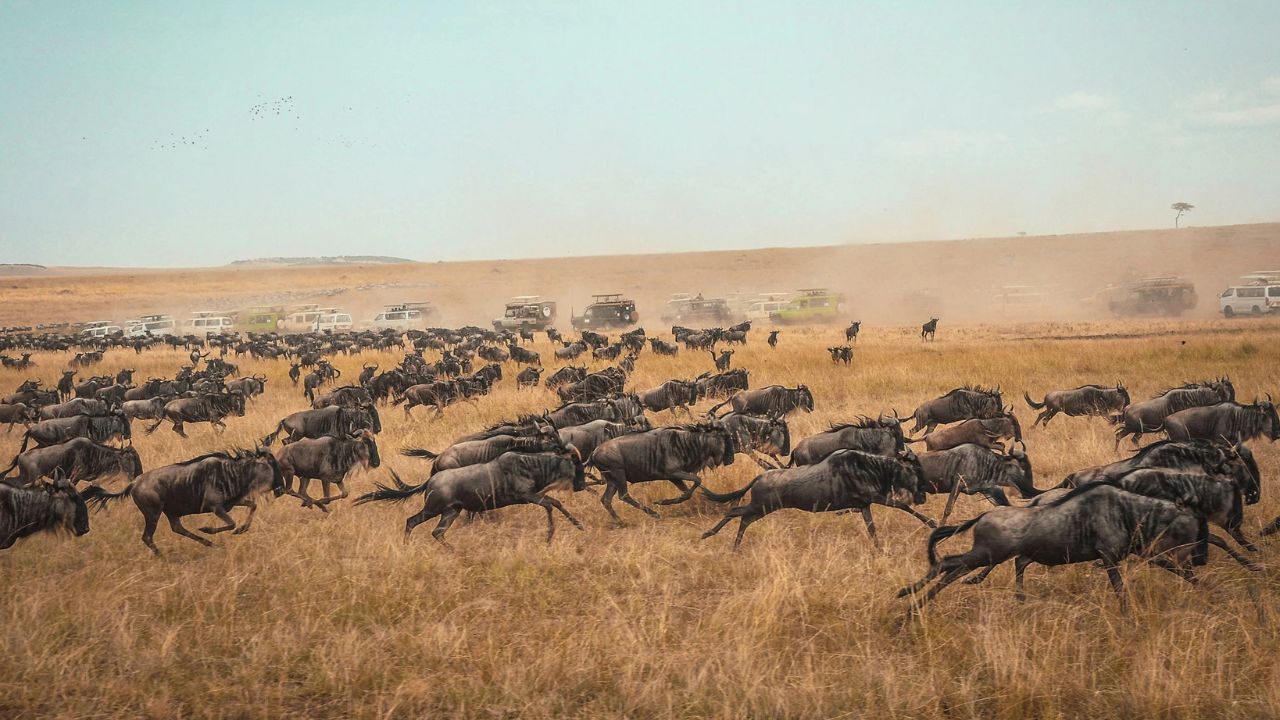
Among the most spectacular events in the animal kingdom is the annual migration of the wildebeests, which ranges from the Serengeti part incorporated into the border of Tanzania and Kenya up to Masai Mara in Kenya. In this destination, millions of wildebeests, not to mention welcome zebras and other animals, gather in the pursuit of fresh forage. Wildebeest Migration Safaris takes you the most unmatched experience viewing the survival display in incredible landscapes and vibrant predator-prey interactions. Being in the heart of all that action, a tourist must plan and organize his or her preparations with a proper packing list for an African safari journey tailored to adventure. This article explores exciting facts on wildebeest migratory movements and the preparations thereof for an unforgettable safari experience.
What Is the Wildebeest Migration?
The migration would have contained traveling more than 1.5 million wildebeest with hundreds of thousands of zebras and gazelles as they wind their way across the Savanna-land. The reason for the journey was seasonal rains and grasses. The route travels approximately 1,800 miles and is an inseparable part of the ecosystem; it supports the predator and causes a future effect on the dynamics of the vegetation.
While the migration takes place throughout the year, certain events are highlights for the wildlife enthusiast. Such as calving season in the southern Serengeti where thousands of young are born and dramatic river crossings of the Grumeti and Mara rivers, where animals meet danger with crocodiles and other predators.
Why take a Wildebeest Migration Safari?
Traveling across Africa is not only wonderful but also a lifetime experience in wildlife photography with the Wildebeest Migration. On this journey, one gets into the heart of Africa as millions of wildebeests and zebras along with gazelles travel from one grass patch to another looking for food and water. Such safaris have been highly organized by professional operators to ensure that you get the best experience about the migration: all its beautiful moments-whether calving in Serengeti or the breathtaking and dangerous river crossings of Masai Mara-with skilled guides and trackers giving you insight into how animals behave and the challenges they face. The chance to see the predators in action and finally witness this awesome migration up close will make your experience memorable.
Preparing for a Wildebeest Migration Safari
Essentials for Your Packing List-
Clothing
Geared to the neutral-colored outfits which suit a particular environment, daytime would be light, breathable clothes, and warmer layers during cool nights.
Footwear
Bush walking and game driving require a pair of good hiking boots or a very firm sneaker.
Sun Protection
Hats with a wide brim, sunglasses, and sunscreen for protection against the fierce African sun.
Camera Gear
A good camera with spare batteries: Capture the migration.
Binoculars
Bring your binoculars for enhanced wildlife spotting.
Health Essentials
Some insect repellents, and a basic first-aid kit, as well as all your prescribed medicines.
Travel Documents
Organize your passport, visa, and safari itinerary in a reliable, quick accessible way.
When to Plan Your Wildebeest Migration Safari
The best time to view the wild animals, especially the wildebeests, during the annual migration will be at their peak. Thus, the best time for such tourists as per what they are interested in would vary. If you want to witness thousands of calves born in the southern Serengeti, then one would time their visit from January to March during the annual calving.
The crossing of the Grumeti River occurs between June and July, while the Mara River crossing stretch extends from July to October when most of the herds move into Kenya’s Masai Mara and cross some very dangerous waters that have infested with crocodiles and potential predator attacks. Each stage offers a different experience, so planning according to your preferred event is key to making the most of your safari.
Conclusion:
A beautiful example of how nature can thrive is the wildebeest migration. This great annual event starts from the birthing grounds in the Serengeti and ends with the dramatic river crossings in the Masai Mara; it attracts visitors from all corners of the world. A well-prepared African safari packing list makes your African safari adventure-ready, while a detailed itinerary is the guarantee of an unforgettable experience. Check out Cheetah Safaris for some of the best migration safaris and begin planning your trip to see one of the world’s most awe-inspiring events.